
Most modern sustainability advice isn’t actually about saving the planet. It’s about moral performance.
The Math That Proves Small Actions Matter
Here’s what most sustainability guides get wrong: they make you feel guilty. This one does the opposite. Because the truth is, individual actions do add up—and you don’t need to overhaul your entire life to see real results.
Let’s start with numbers.
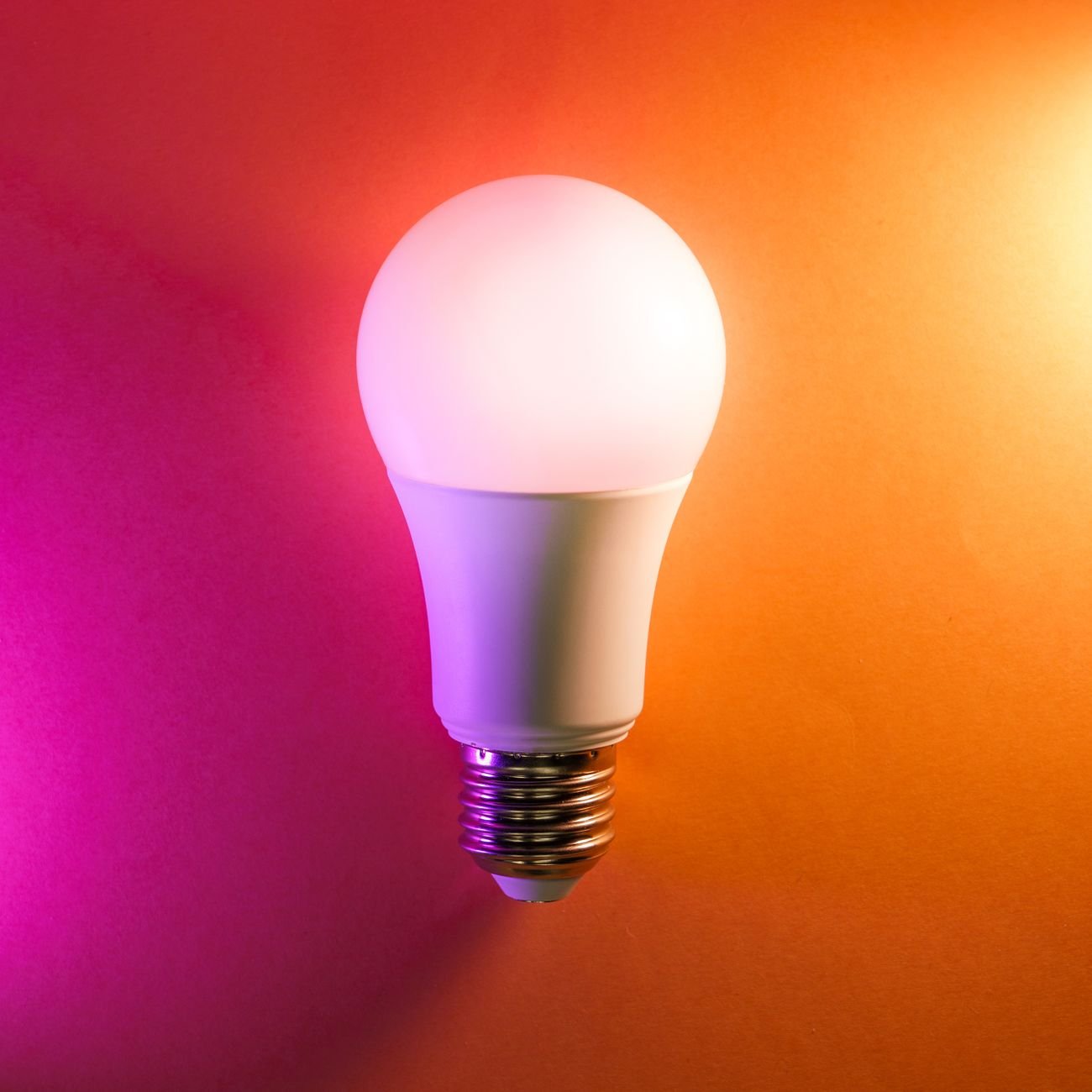
Replacing just one incandescent bulb with an LED bulb cuts energy consumption by up to 80% for that fixture alone (U.S. Environmental Protection Agency 1).
In an average household, that’s approximately 10 pounds of carbon dioxide prevented from entering the atmosphere annually per bulb.
Do that across your whole home? You’re looking at a measurable dent in your carbon footprint—without changing how you live.
The key to sustainable living in 2026 isn’t perfection. It’s momentum.
The Quick Wins That Actually Work
Switch to Reusable Water Bottles (The Easiest Win)
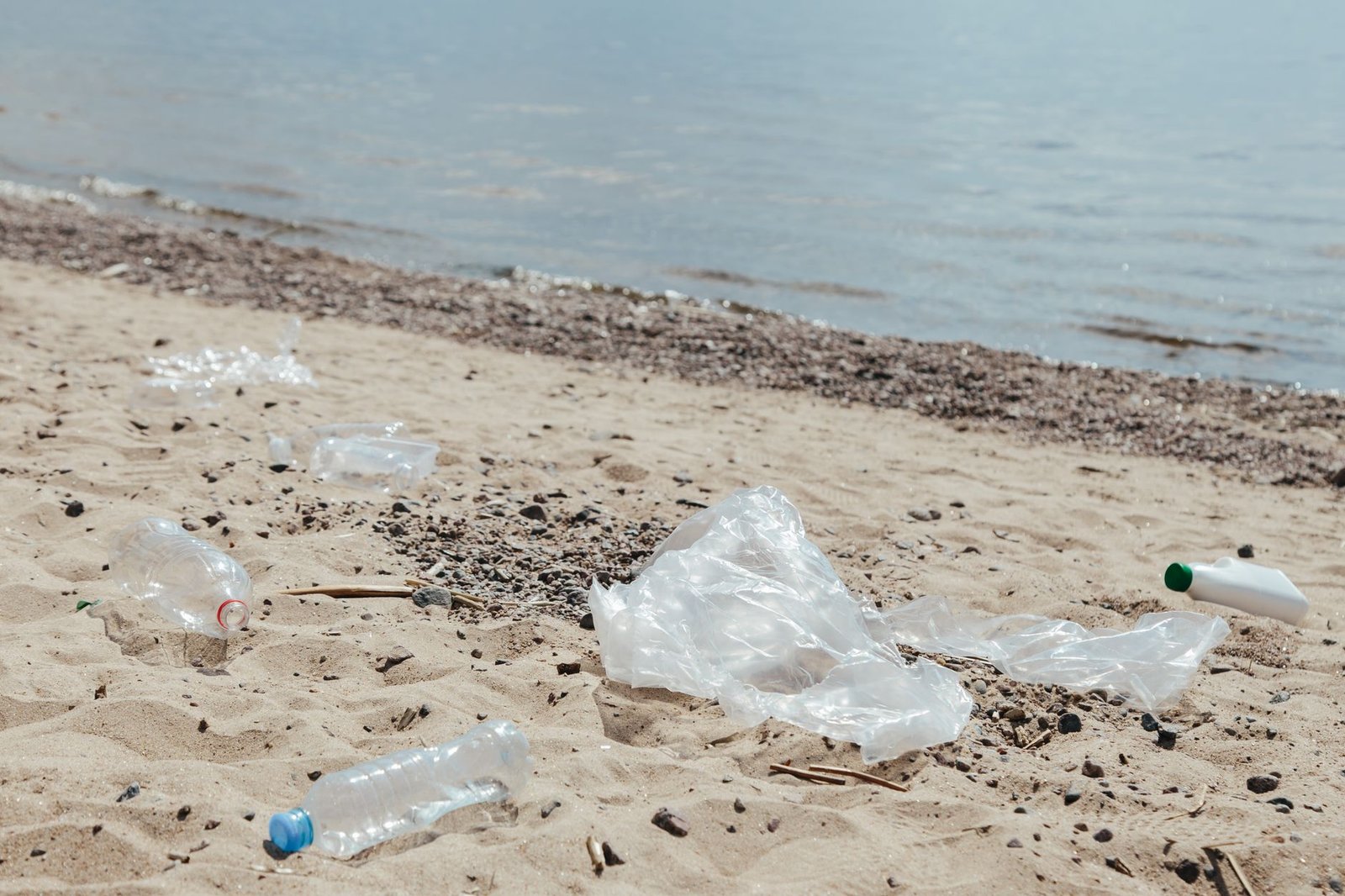
Americans use approximately 35 billion plastic water bottles per year, with only about 30% being recycled (Statista 2).
A single reusable water bottle, used for one year, eliminates roughly 156 single-use plastic bottles from your waste stream.
Over five years? That’s 780 bottles.
This swap costs almost nothing, creates zero lifestyle friction, and the math is undeniable.
Bonus: Most reusable bottles keep drinks at your preferred temperature better than disposables.
You’re literally getting a better product while reducing waste.
Reduce Food Waste (The Most Impactful)
Food waste is one of the easiest wins because the impact is immediate—and it saves you money. The average American household throws away approximately 238 pounds of food per year (U.S. Department of Agriculture 3). At roughly $2,000 annually in wasted groceries, this isn’t just an environmental issue; it’s a financial one.
Three tactical shifts:
- Plan meals before shopping. You buy only what you need. Period.
- Repurpose “ugly” produce. Imperfect vegetables make excellent soups, stews, and smoothies.
- Freeze before spoilage. Bread, berries, and herbs all freeze beautifully—extend their life by weeks.
Optimize Your Shower (The Overlooked Champion)
The average American shower uses 2.5 gallons of water per minute (U.S. Geological Survey 4).
Reducing shower time by just five minutes saves approximately 12.5 gallons per shower. For a family of four, showering daily, that’s 18,250 gallons annually—roughly the amount of water needed to fill an Olympic-sized swimming pool (twice).
Installing a low-flow showerhead ($15-30) reduces water use to 2 gallons per minute or less with zero lifestyle compromise.
You still get clean.
The water still comes out hot.
You just use less.
The Domino Effect Nobody Talks About
Here’s where sustainable living gets interesting: small changes often lead to bigger ones—not out of guilt, but out of curiosity.
Someone switches to reusable water bottles, notices how much less trash they generate, and suddenly composting seems interesting. They start meal planning to reduce food waste, realize they’re cooking more intentionally, and enjoy better meals.
Sustainable living isn’t a binary switch. It’s a cascade of small wins that gradually reshape how you move through the world.
The Mindset Shift That Makes It Stick
The difference between resolutions that fail and habits that stick is this: you need to see proof that your actions matter.
Measure it.
Track it.
Celebrate it.
- Keep a tally of plastic bottles you’ve avoided with a reusable bottle.
- Calculate your annual water savings from a shorter shower.
- Photograph your compost or food scraps saved.
- Calculate the money you’ve saved on wasted groceries.
Make the impact visible, and you’ll naturally want to do more—not because you feel obligated, but because you have proof that your choices actually work.
Start Here This Week
Pick one change. Just one.
It doesn’t matter which.
The goal isn’t to be perfect. The goal is to prove to yourself that sustainable living is accessible, measurable, and immediate.
From there, the momentum builds on its own.
References
1. U.S. Environmental Protection Agency. “LED Lighting.” Energy Star, www.energystar.gov/products/lighting-fans-ventilation/light-bulbs. Accessed 16 Sept. 2026.
2. Statista. “Plastic Bottled Water Consumption in the United States.” Statista, 2024, www.statista.com. Accessed 16 Sept. 2026.
3. U.S. Department of Agriculture. “Food Waste and Its Impacts on the Environment.” USDA Natural Resources Conservation Service, www.nrcs.usda.gov. Accessed 16 Sept. 2026.
4. U.S. Geological Survey. “Water Use in the United States.” USGS Water Resources, waterdata.usgs.gov/nwis/qw. Accessed 16 Sept. 2026.
Leave a Reply